
Edible Gardens: Growing Your Plant-Based Pantry
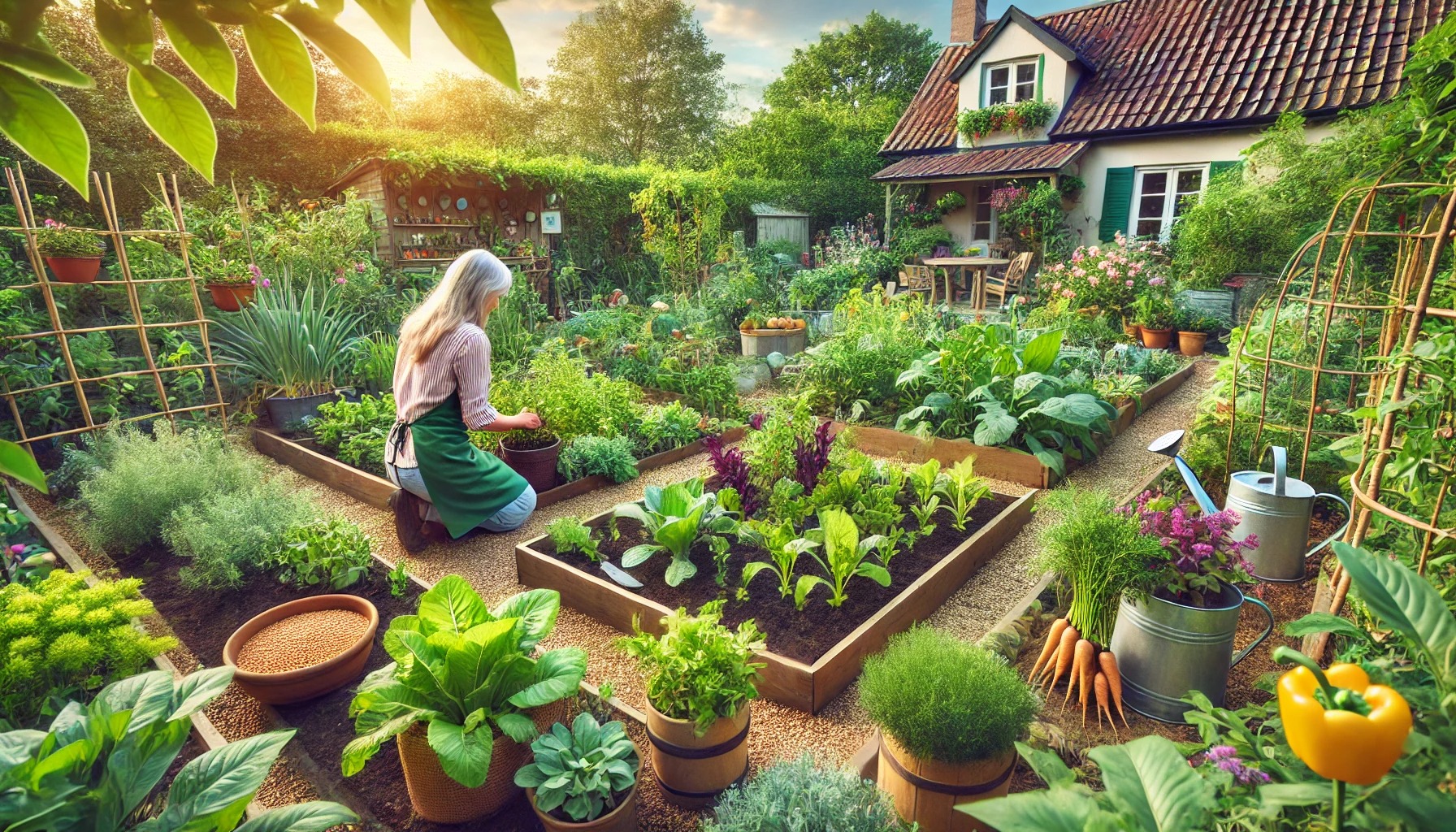
The freshest ingredients come from your garden, not the store. Growing your food means every meal is packed with flavour and nutrition. Besides enhancing your meals, an edible garden supports a sustainable lifestyle, cuts down on store-bought produce, and reduces your carbon footprint. Gardening also connects you with nature, offering relaxation and satisfaction. In this blog, we'll explore the benefits of growing your food, essential plants for your garden, and practical tips for starting and maintaining it.
Benefits of Growing Your Food
Growing your food has many perks. First off, you get to enjoy fresh, chemical-free produce that tastes better and is better for you. Gardening can also be a stressbuster, helping you relax and feel good. It lowers your need for store-bought groceries and cuts down on transportation emissions. A small investment in seeds and supplies can save you money over time. In short, gardening supports your health, peace of mind, and the environment, creating a green oasis right in your backyard.
Having explored the joys and benefits of growing your food, let's dive into which plants are perfect for your garden.
Essential Plants for a Plant-Based Garden
To keep your garden supplying fresh food all year, consider these key plants:
Leafy greens: Lettuce, arugula, kale, and spinach are nutritious and easy to grow.
Herbs: Basil, cilantro, oregano, thyme, and mint add delicious flavours to your meals.
Root Vegetables: Carrots, beets, potatoes, and radishes offer different textures and vitamins.
Legumes: Beans, peas, and lentils provide protein and fibre.
Fruits: Depending on your local weather, you might grow strawberries, tomatoes, or even citrus fruits.
With a list of great plants, it is time to learn how to start your garden from scratch.
Step-by-Step Guide to Starting Your Garden
Getting your garden going involves some simple steps:
Pick a Good Spot: Choose a sunny area with good drainage. Most plants need plenty of sunlight.
Get Your Soil Ready: Improve your soil by mixing in compost or other organic matter to make it rich and healthy.
Plan Your Garden: Decide where to plant each type of vegetable and how to rotate crops for the best results.
Start Your Seeds: Sow seeds indoors or outside depending on the weather and what you are growing.
Transplanting: Move seedlings into your garden when the weather is right.
Water and Care: Keep your garden watered, especially when it's dry. Watch for pests and problems and handle them as needed.
Maintenance: Regularly check for issues with pests and diseases. Use natural methods to address any problems.
Harvesting: Pick your vegetables and herbs when they are at their best for the best taste and nutrition.
To keep your garden healthy and productive, knowing how to troubleshoot common issues is crucial.
Troubleshooting and Maintenance Tips
Even the best gardens can face challenges. Keeping an eye on your plants and understanding how to handle common problems can make a great impact. Keep an eye out for pest symptoms, such as holes in leaves or fading plants, and manage them with natural therapies like neem oil or insecticidal soap. Maintain soil health by avoiding overwatering and ensuring proper drainage. Check for nutrient deficits, such as yellowing leaves, which may suggest the need for more fertilization. You can keep your garden healthy and fruitful by being proactive and addressing problems early on.
To keep enjoying fresh food all year, follow these tips.
Tips for Year-Round Harvests
To have fresh produce throughout the year, try these ideas:
Stagger Your Plantings: Plant new crops at different times to have a steady supply of food.
Cold-Tolerant Plants: Grow vegetables like kale, spinach, and carrots that can handle cooler temperatures.
Container Gardening: Use pots to grow herbs and smaller plants indoors or on patios.
Crop Rotation: Change where you plant different types of vegetables each year to keep the soil healthy and reduce pests.
Extend the Season: Use simple tools like row covers or mini greenhouses to grow plants for longer.
Plant Friends Together: Some plants help each other grow and keep pests away.
To summarize, planting your food garden is an excellent method to improve your health, well-being, and dedication to sustainability. Growing your food provides the satisfaction of picking fresh ingredients and enjoying their delicious flavour. Start with a few plants, experiment to see what works best for you, and most importantly, have fun!
Share this post with your friends and family to spread the word about the benefits of growing your food. Let's inspire others to create their plant-based pantries!
Have something to say? Log in to share your thoughts and join the conversation.
Recent Posts:


Boost Your Mental Health with a Vegan Diet: Discover the Benefits of Plant-Based Eating
Fri Aug 23 2024
0 Comments